
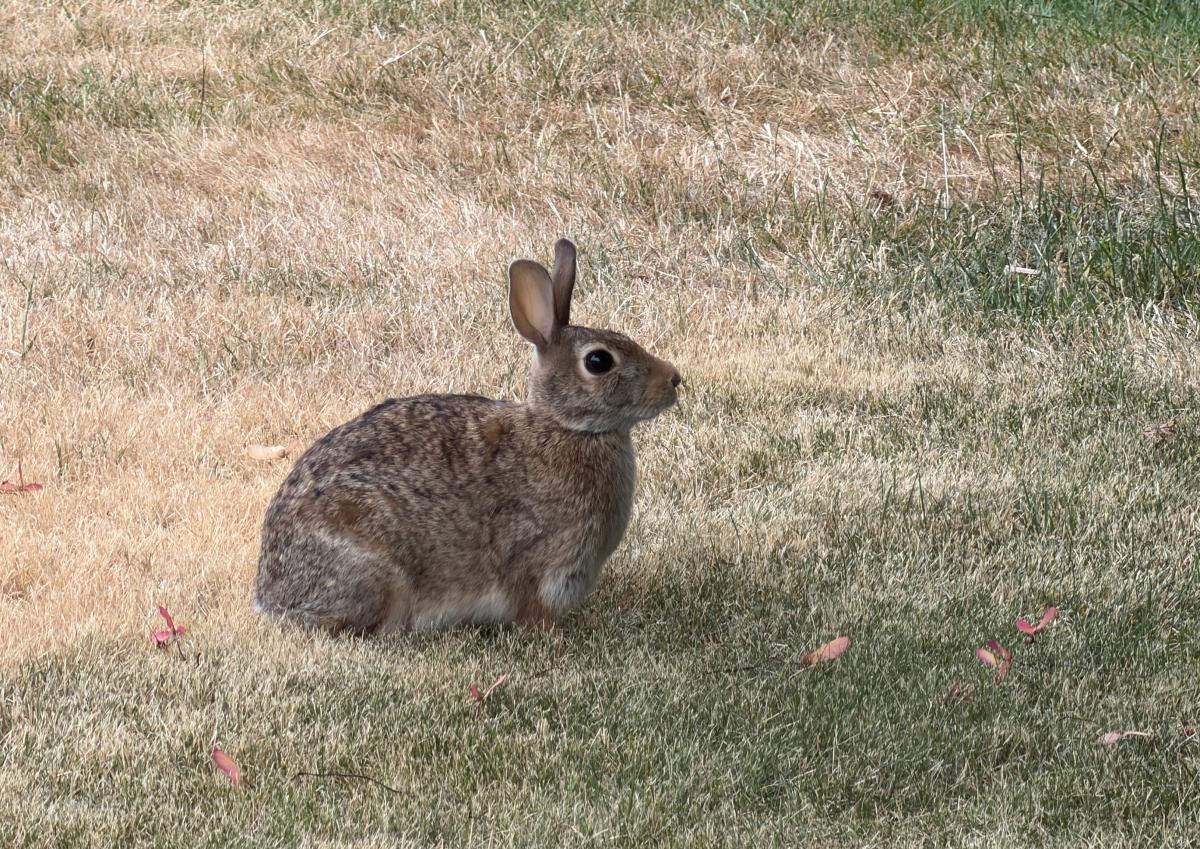
As I was heading into work the other day, I noticed a bunny in the front courtyard of the Port administration building. At this point, it felt like the 500th bunny I’d seen that week, and all I could think was: “SHOW ME THE BUNNY!” with full Jerry Maguire energy. Say it with me, Jerry.
The little brown bunnies that we’ve been seeing all around town are likely Eastern Cottontails.
With cute kid from Jerry Maguire energy: Did you know that the Eastern cottontail weighs between two and four pounds?
Eastern Cottontails were introduced to Washington in the 1930s and have made themselves at home with the mild climate, protective cover, and food abundance in the Pacific Northwest.
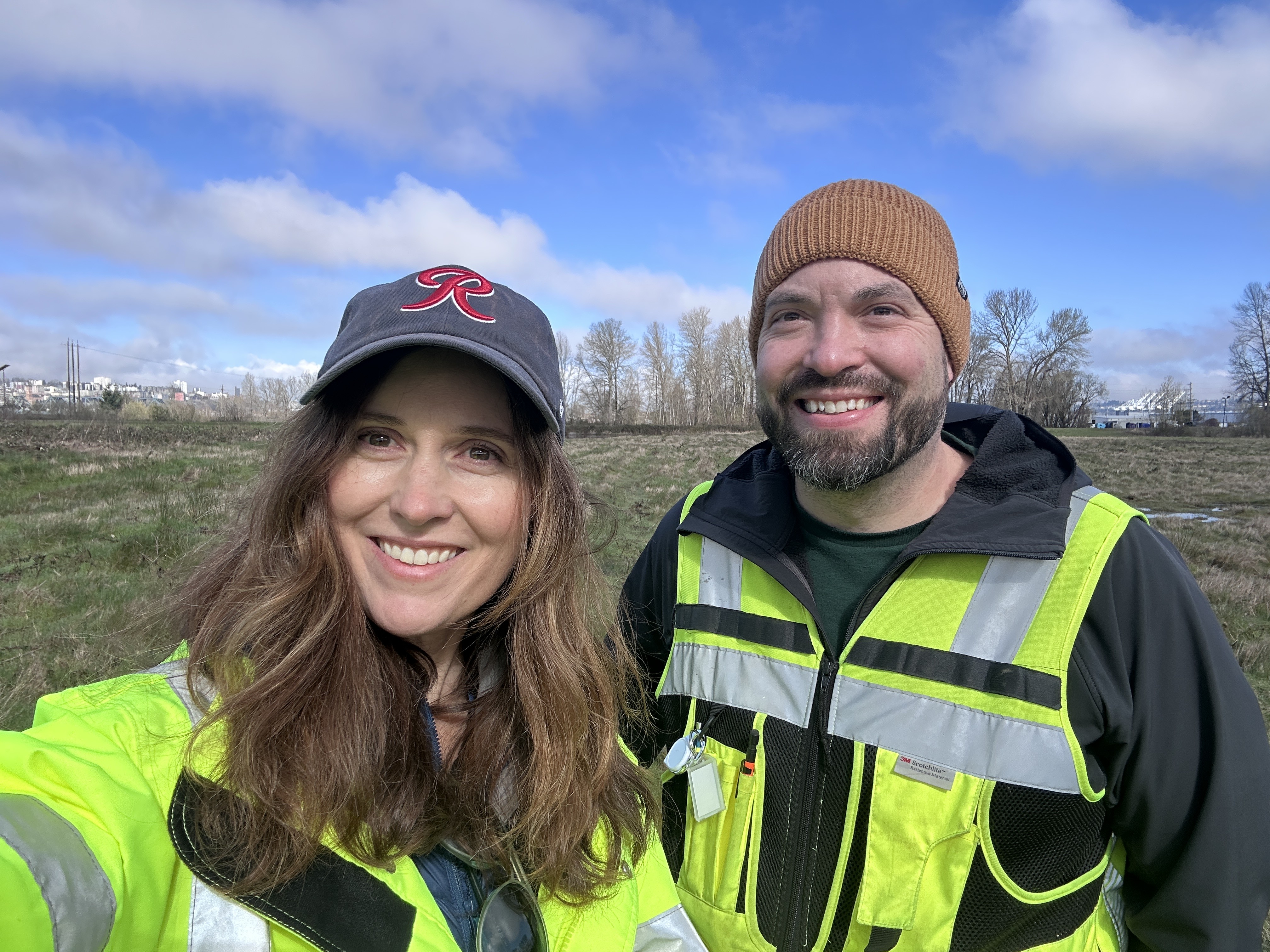
Meet your new Port Biologist
I’ve truly loved writing these posts -- it’s been so fun sharing little glimpses of my observations. As I move into a new role at the Port, I’m excited to hand the blog over to your new Port Biologist, Brynden Gorman, who will keep the misadventures alive.
- Kristin Evered
Cottontail populations naturally go through boom-and-bust cycles, and right now, we are most definitely in a boom.
Rabbit math helps explain why. Cottontails can breed from mid-February through late summer and may have several litters of four to eight young each season. Mama rabbits will build shallow nests called “forms” made from plants and fur plucked from their bellies.
After the babies are born, mama will stay away during the daylight, so she doesn’t lead predators back to the nest.
If you happen to come across a nest of bunnies tucked into the grass, the best thing to do is leave them be. Mom is likely nearby and following her normal routine, even if you do not see her.
As the bunny population increases, predator populations increase in response, which may cause the bunny population to bust. Remember how many coyotes were around last summer? These boom-bust cycles are normal patterns for cottontails.