Throughout 250 years of independence, seaports have been central to the American story, serving as gateways of trade and opportunity. The Port of Tacoma is continuing that commitment with an eye to the next 250 years, making investments now to build a future of shared prosperity, innovation and stewardship.
The Port of Tacoma today
As a major seaport, the Port of Tacoma is Pierce County’s connection with the world and an economic engine for the region. The Port’s business lines, combined with marine cargo operations in Tacoma managed by The Northwest Seaport Alliance, support more than 41,000 jobs.

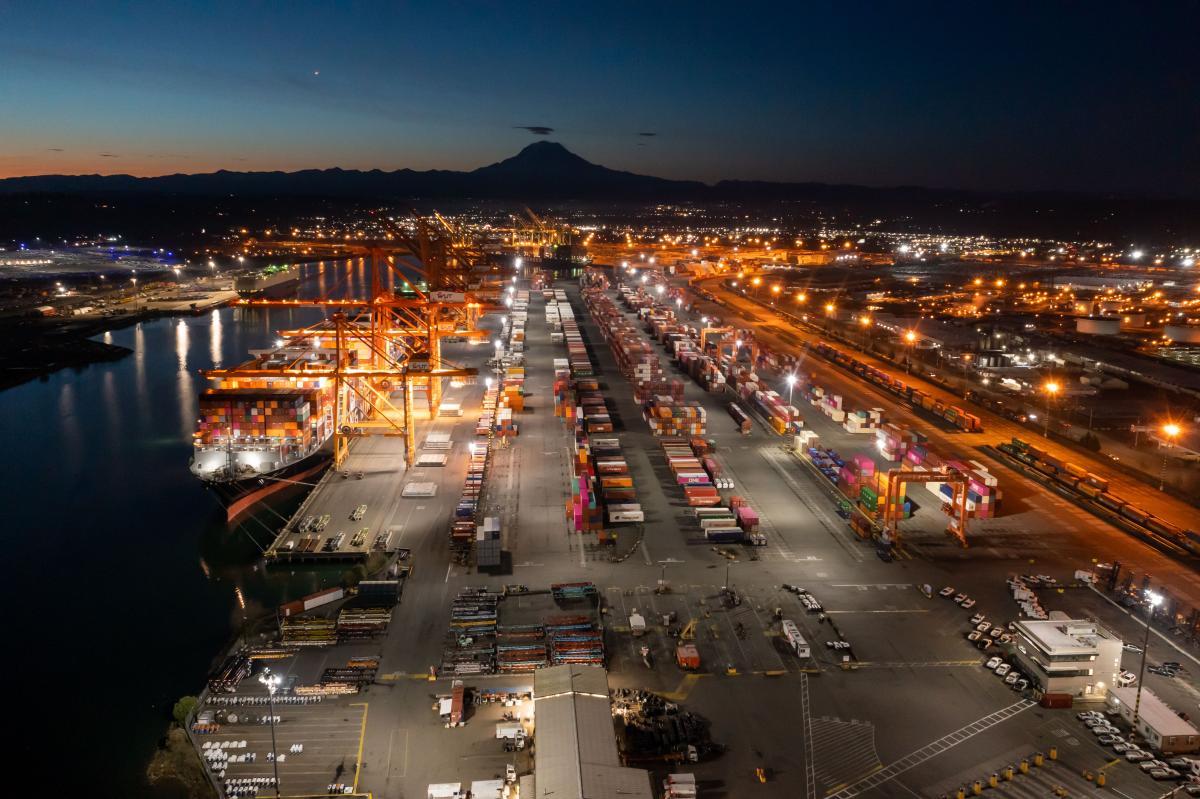
The Port owns about half of the 5,000 acres that make up the Tacoma Tideflats. International container terminals, breakbulk and bulk terminals, and auto imports drive the marine cargo business. In addition, the Port’s real estate holdings provide land for a diverse array of business operations, providing jobs and vital services for industry and our community.
The Port is also committed to environmental stewardship, cleaning up legacy contamination on Port-owned land, building habitat sites, and investing in the clean energy transition.
The Port and Tacoma Public Schools: a unique partnership
Creating family-wage jobs and connecting Pierce County residents with new opportunities through its workforce development efforts is central to the Port of Tacoma’s mission.
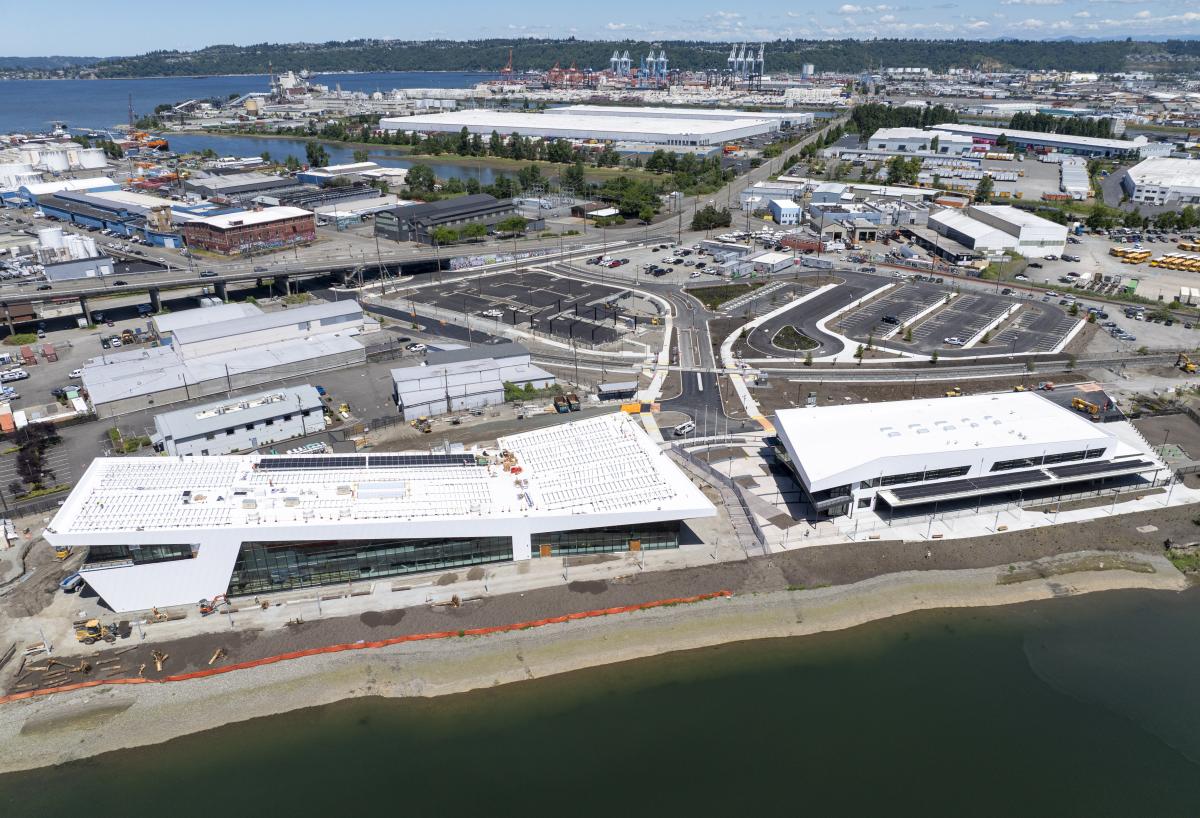
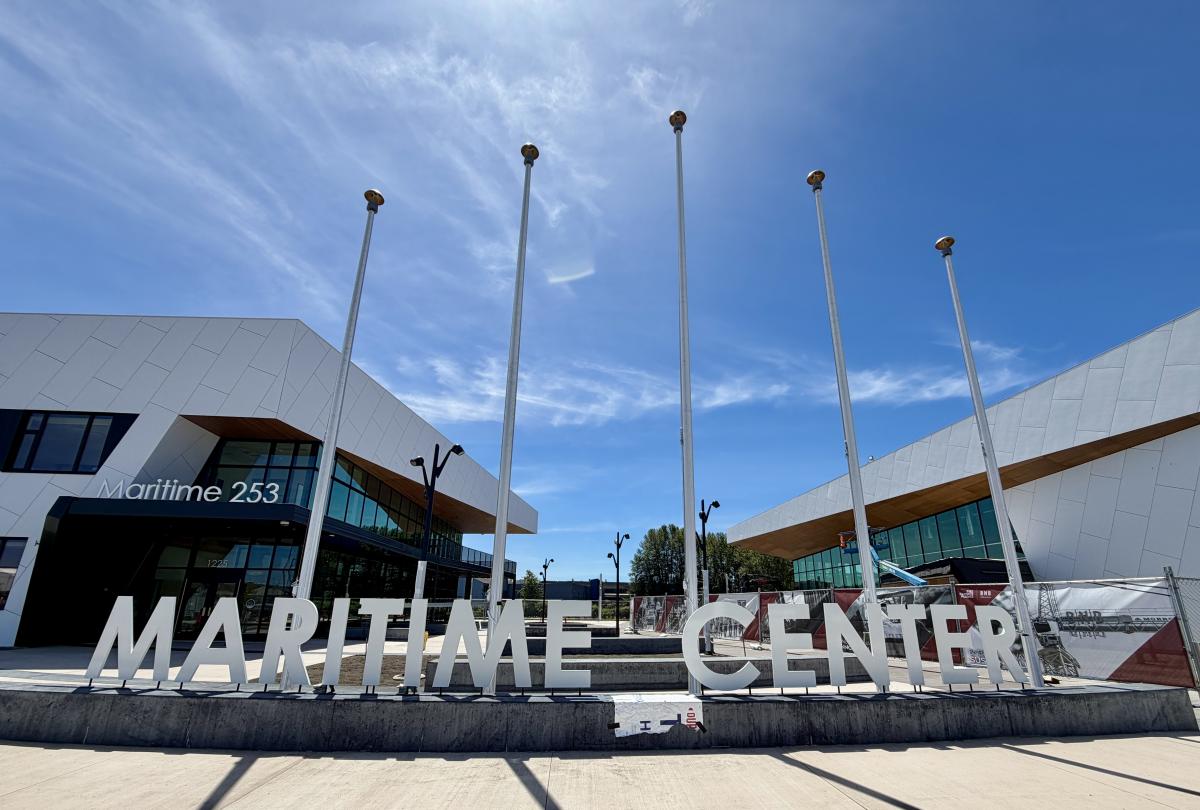
The Port’s signature project is the Maritime Center, a 20-acre campus along the Foss and Wheeler-Osgood Waterways near downtown Tacoma. Developed in partnership with Tacoma Public Schools, the campus includes the Maritime|253 skills center adjacent to the Port’s new business office. Together, these facilities support maritime education, workforce development, and industry engagement.
Classes begin at Maritime|253 this fall, tuition-free, for high school juniors and seniors from school districts across the South Sound. Students can enroll in career pathways focused on port operations and logistics, advanced maritime manufacturing, technology, and sustainability.
Maritime|253 advances the Port’s workforce development commitment to provide opportunities for Pierce County residents and address a shortage of workers in the trades and the maritime industry. The Port also partners with Workforce Central and the Tacoma Youth Marine Foundation to help connect young people to training and career opportunities.
Maritime Center
The Port of Tacoma’s new business center will open at the Maritime Center in Spring 2027, providing a modern, efficient workspace and improved public access for events and Commission meetings. The shape of the 60,000-square-foot building evokes the bow of a large ship, and its dramatic design is destined to become a new landmark in Tacoma. Relocating Port offices from the cargo terminals area to the new location closer to downtown Tacoma will better connect the Port with the community. The site will also feature walking trails, a dock for use by official vessels, and public shoreline access.
Every aspect of building the Maritime Center reflects the Port’s commitment to environmental leadership. Prior to construction, the Port addressed legacy industrial pollution on the land by removing 39,000 tons of contaminated soil, dilapidated docks, and hundreds of creosote piles from the waterway. Landscape plantings include native, drought-tolerant species, and the restoration of the naturalized shoreline led the project to earn Tacoma’s first Salmon-Safe certification. The parking lot of the new Port office includes electric vehicle charging stations, and the building includes 22,000 square feet of rooftop solar panels which will provide a significant percentage of the building’s power needs.

Environmental remediation
More than a hundred years of industry on the Tacoma Tideflats powered the economy but left behind a legacy of pollution. The Port is committed to a more sustainable future by cleaning up historically contaminated properties it has acquired so they can be returned to productive use for both the economy and environment. This type of remediation rarely pencils out for private industry, but ports are uniquely positioned to access grants and other financing that can be used for this work. To date, the Port has remediated more than 1,300 acres of land, an investment of more than $200 million into its environmental initiatives. The Port has also created or restored more than 200 acres of habitat for salmon and other wildlife.
The green energy transition
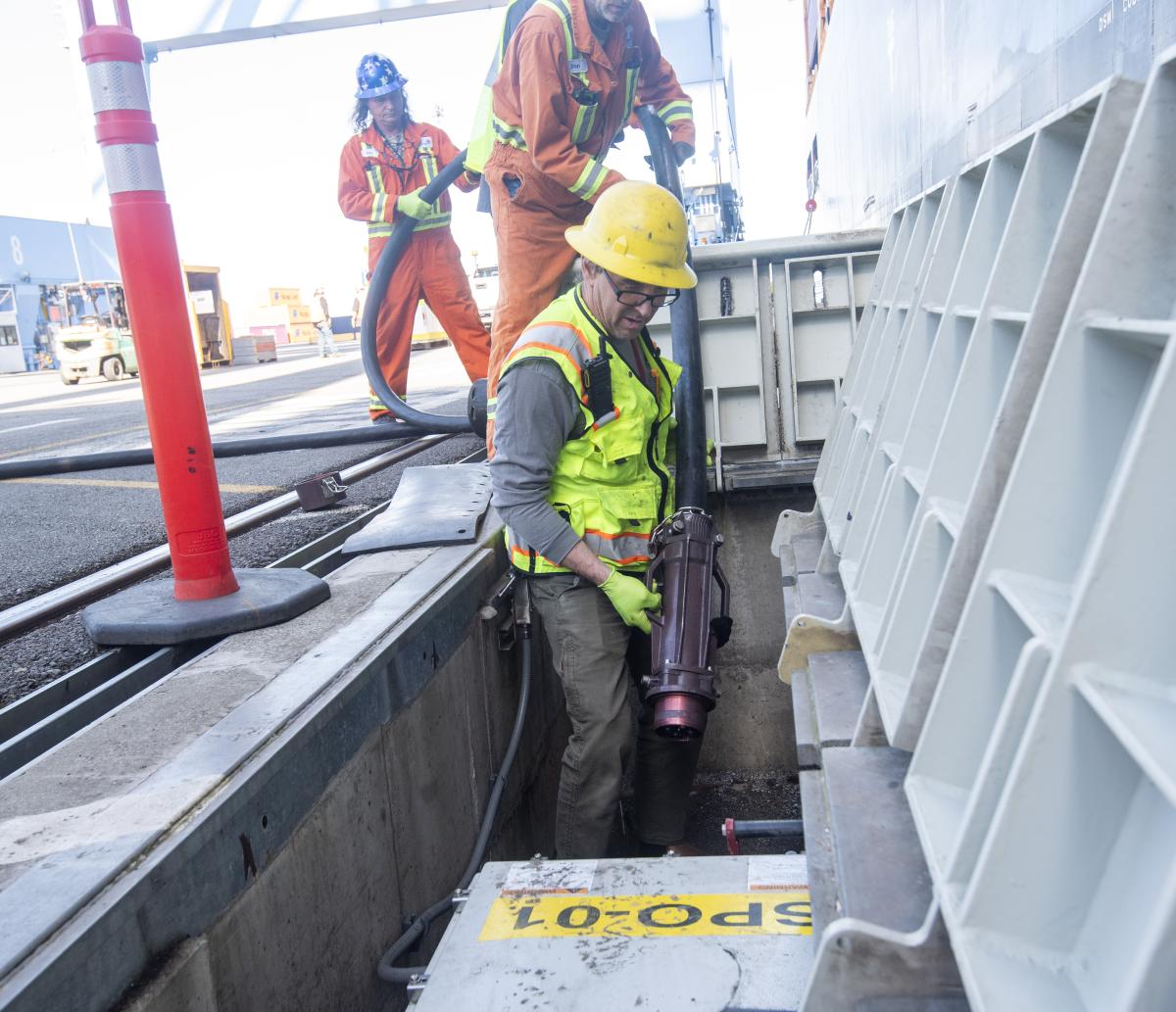
The Port of Tacoma is looking to the future by supporting the transition to cleaner air and a reduction in carbon emissions. The Port of Tacoma is committed to reaching net-zero greenhouse gas emissions under its direct control by 2040. This is part of a larger commitment, in partnership with the Port of Seattle and The Northwest Seaport Alliance (NWSA), to phase out all seaport emissions by 2050. To help achieve these reductions, the NWSA is investing in shore power across the Seattle-Tacoma gateway, allowing ships to plug in and shut off their diesel engines, reducing emissions. The Port is also electrifying its vehicle fleet, investing in zero-emission cargo handling equipment, and using renewable diesel in large assets like straddle carriers to reduce emissions. Northwest ports are also collaborating to support sustainable marine fuels that are necessary for the global shipping industry’s transition to cleaner energy.

Waterway expansion
The Blair Waterway is home to several marine cargo terminals. To increase future capacity, keep the gateway competitive, and accommodate the industry’s larger ships, the Port of Tacoma is working with the U.S. Army Corps of Engineers to deepen the Blair Waterway navigation channel and berth areas by six feet. Clean dredge material will be used to create a new environmental habitat site adjacent to Marine View Drive.
The Port of Tacoma is also partnering with the Puyallup Tribe of Indians to widen the Blair Waterway, cutting back an outcropping of land to make way for a new terminal that the Tribe is developing in partnership with The Northwest Seaport Alliance.
Transportation investments for tomorrow
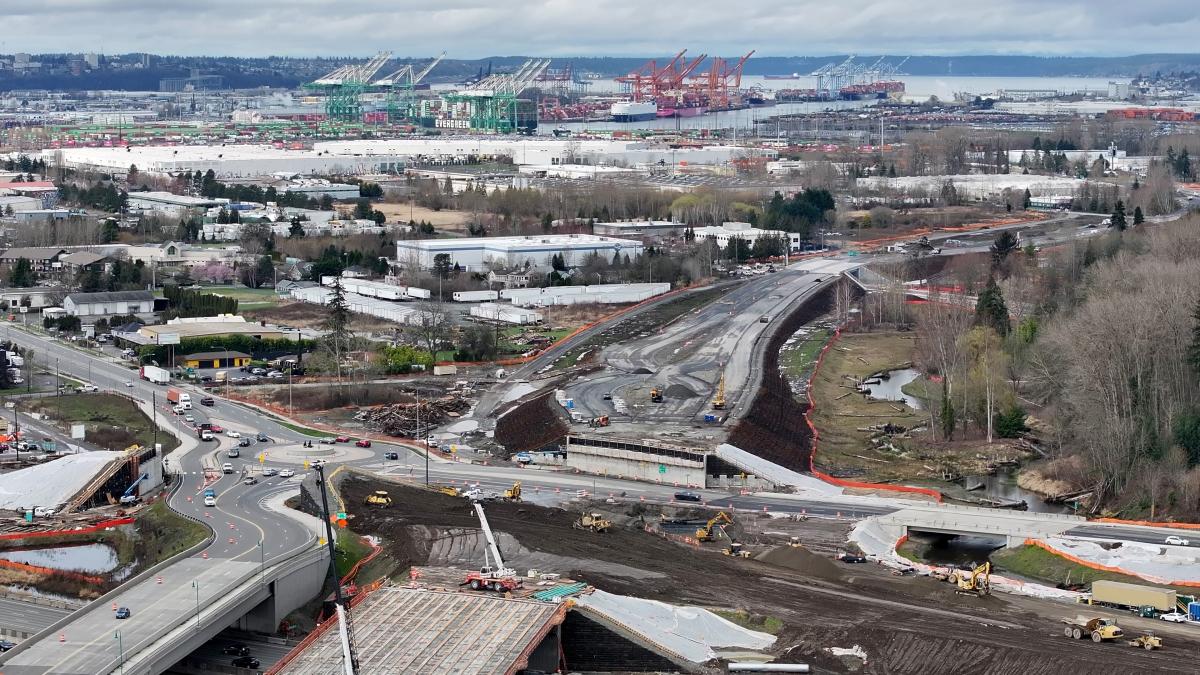
The Port of Tacoma recognizes the need for critical infrastructure to help keep the region’s trade moving. That’s why the Port led the effort to secure state funding for the completion of State Route 167, which will improve traffic for trucks serving the Port, as well as for the public. The Washington State Department of Transportation will open the new SR167 expressway between the Port of Tacoma and I-5 this fall, as construction continues on the section between I-5 and Puyallup. The Port of Tacoma contributed $30 million to the project. The Port is also supporting the City of Fife’s project to increase roadway capacity and improve traffic flow at the I-5 / Port of Tacoma Road interchange.
Looking ahead
Planning at the Port of Tacoma is done with future generations in mind. Industrial land is in short supply, so the Port works to support industrial and marine trade businesses, which in turn support good paying jobs well into the future. The Port is actively involved in planning the future of the Tacoma Tideflats and recently collaborated with several local governments to help develop the City of Tacoma’s Tideflats Subarea Plan, which preserves industrial lands and enhances freight corridors, while also supporting the green energy transition, protecting cultural resources, and promoting habitat restoration. It’s an example of how the Port of Tacoma remains focused on ensuring that the next 250 years bring continued prosperity to our region.
Just as ports helped build the nation’s economy over the past 250 years, the Port of Tacoma is investing today to help ensure future generations benefit from trade, innovation, and environmental stewardship.