
As the United States marks its 250th anniversary, ports continue to play an essential role in the nation’s growth and connectivity. For centuries, America’s working waterfronts have served as gateways to global trade and economic opportunity, and in many ways, the story of America is a story of its ports.
From the sparks of revolution in Boston Harbor to the maritime gateways of Puget Sound, ports have played an important part in the nation’s development. Long before railroads crisscrossed the country or highways connected cities, ports served as the nation’s lifelines, moving goods and people, fostering innovation, and helping shape the United States.
Cities like Boston, New York, and Philadelphia grew because of their access to major navigable waterways, connecting these communities to global trade networks and becoming centers of commerce and innovation. The same can be said of the Pacific Northwest, where deep natural harbors like Commencement Bay in Tacoma and Elliott Bay in Seattle helped establish the region as a vital trading hub.
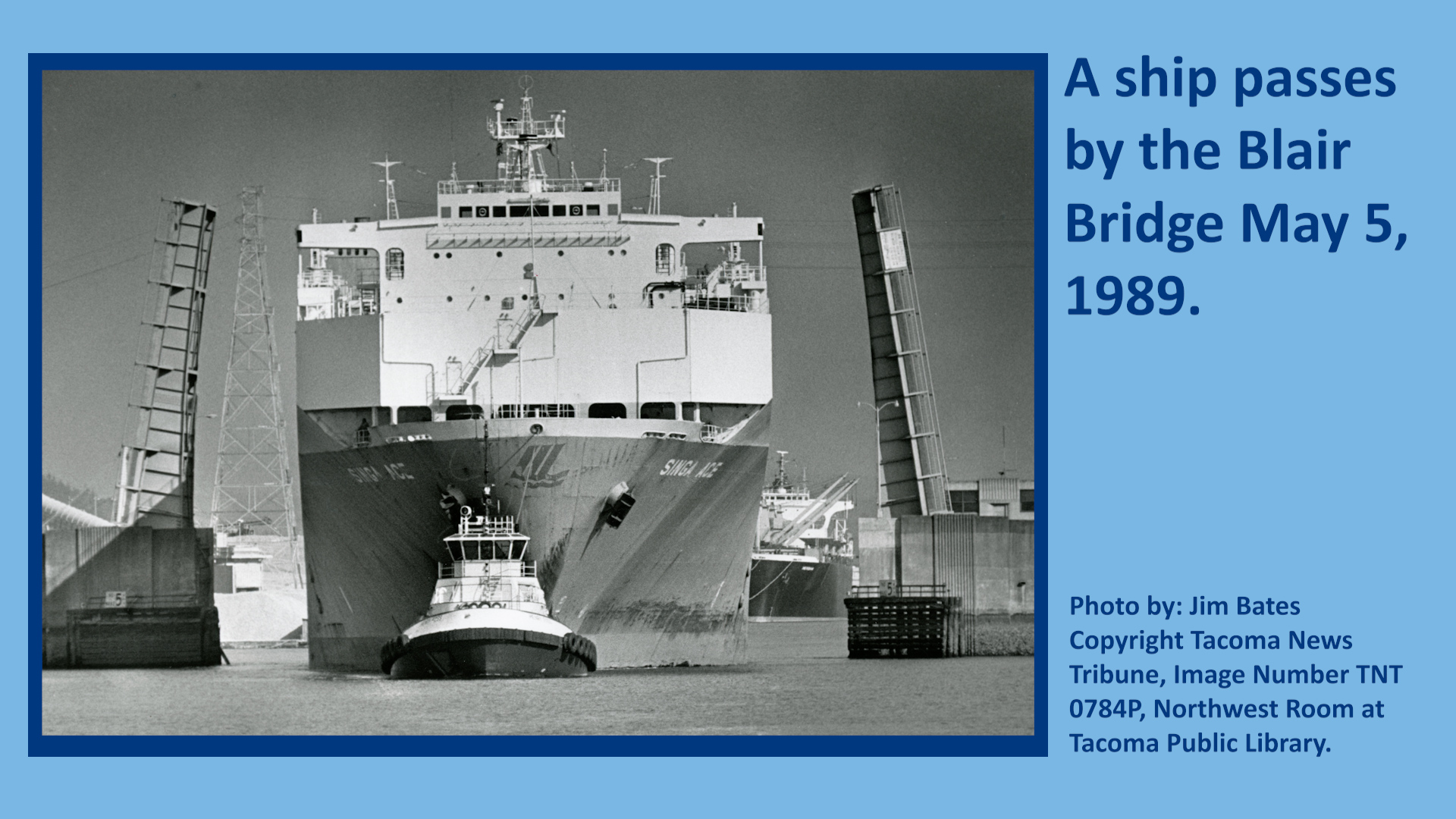
Tacoma’s role as a shipping center dates to the mid-19th century and grew in importance after the Northern Pacific Railroad selected Tacoma as its western terminus in 1873, linking inland production to international markets and defining Tacoma as a place “where the rails meet the sails.”

Ports and the fight for independence
America’s ports have long been more than places of commerce. In the 18th century, ports became the staging grounds of resistance. In 1773, colonists dumped 342 chests of tea into Boston Harbor to protest Britain’s taxation without representation. The Boston Tea Party was a precursor to the American Revolution and the signing of the Declaration of Independence on July 4, 1776.
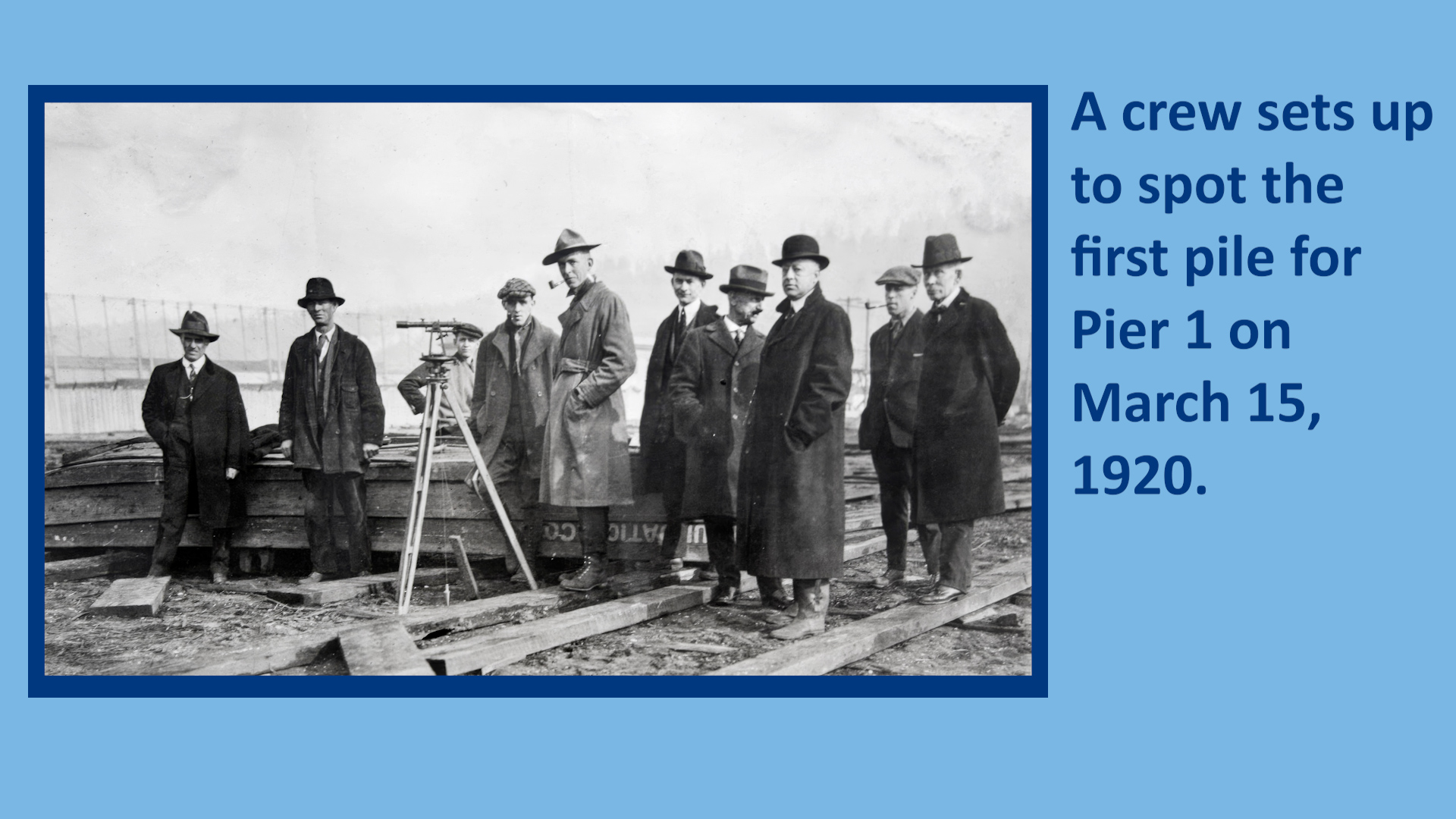
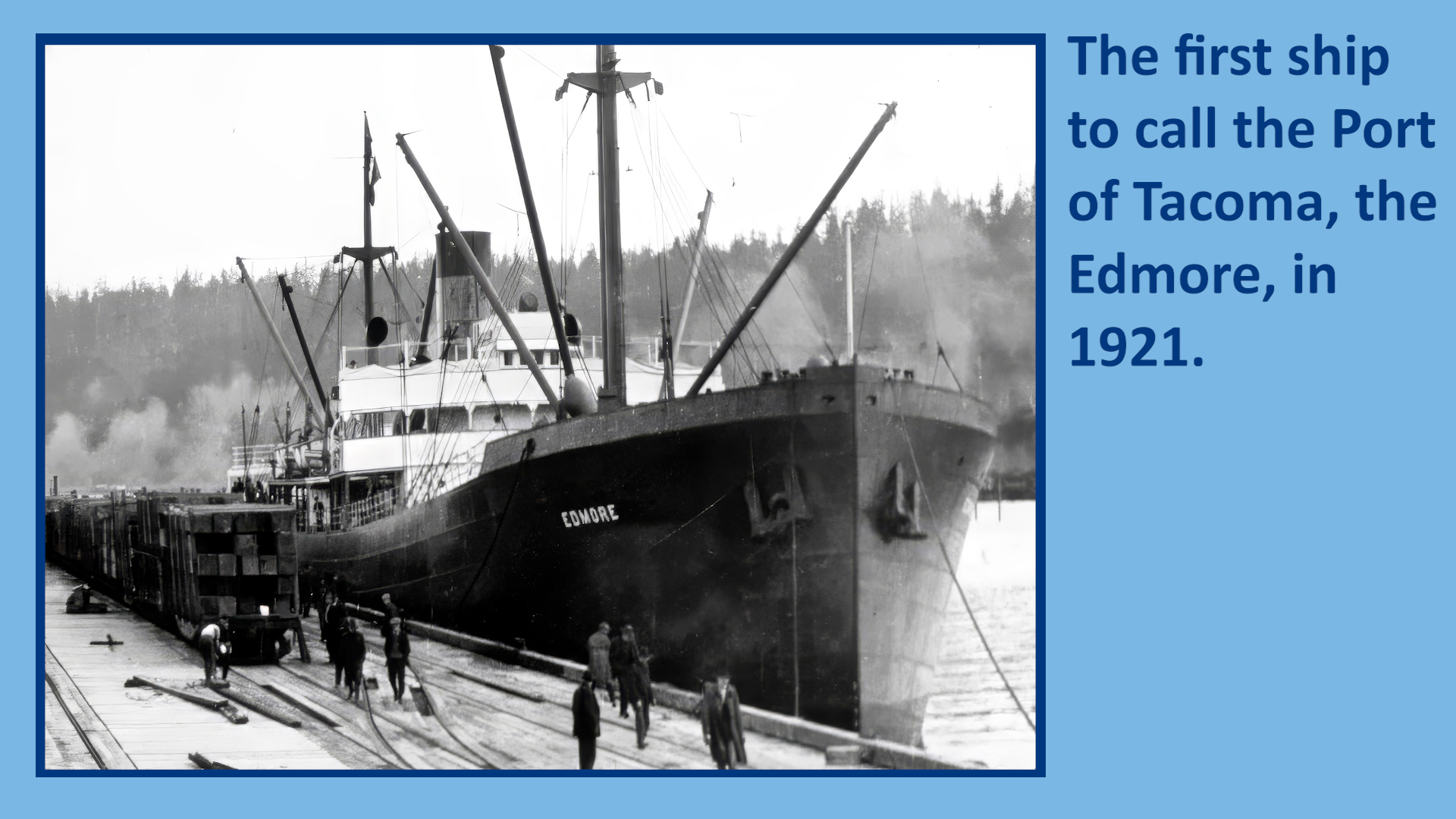
More than a century later, Washington state embraced the belief that ports should serve the public good by supporting trade, jobs, and economic development. In 1911, the state authorized the creation of public port districts and Pierce County voters approved creation of the Port of Tacoma in 1918 by a five-to-one margin.
Gateways of opportunity
By the mid-19th century, American shipbuilders had created one of the most competitive merchant fleets in the world. After independence cut off access to British colonial trade markets, American merchants turned to new routes, directly competing with the British East India Company through faster, more efficient ships.
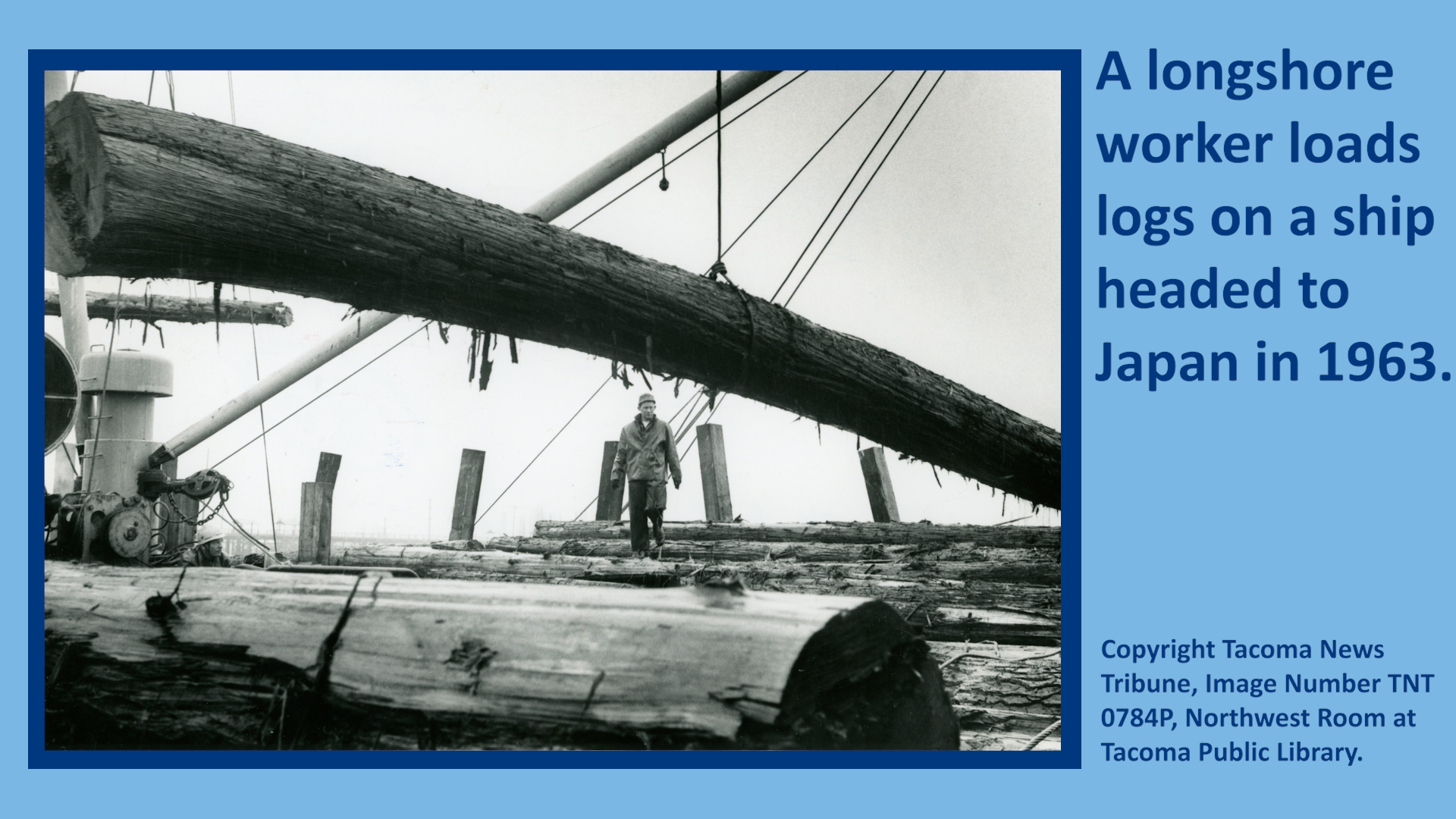
The national story of maritime innovation and expanding global trade found a natural extension on the shores of Puget Sound as demand grew for lumber, grain, and other raw materials. In 1853, the first ship load of lumber left Tacoma for San Francisco, and by the late 19th century, Tacoma was participating in Pacific trade flows, including the import of tea from Asia.
Strategic assets in times of war
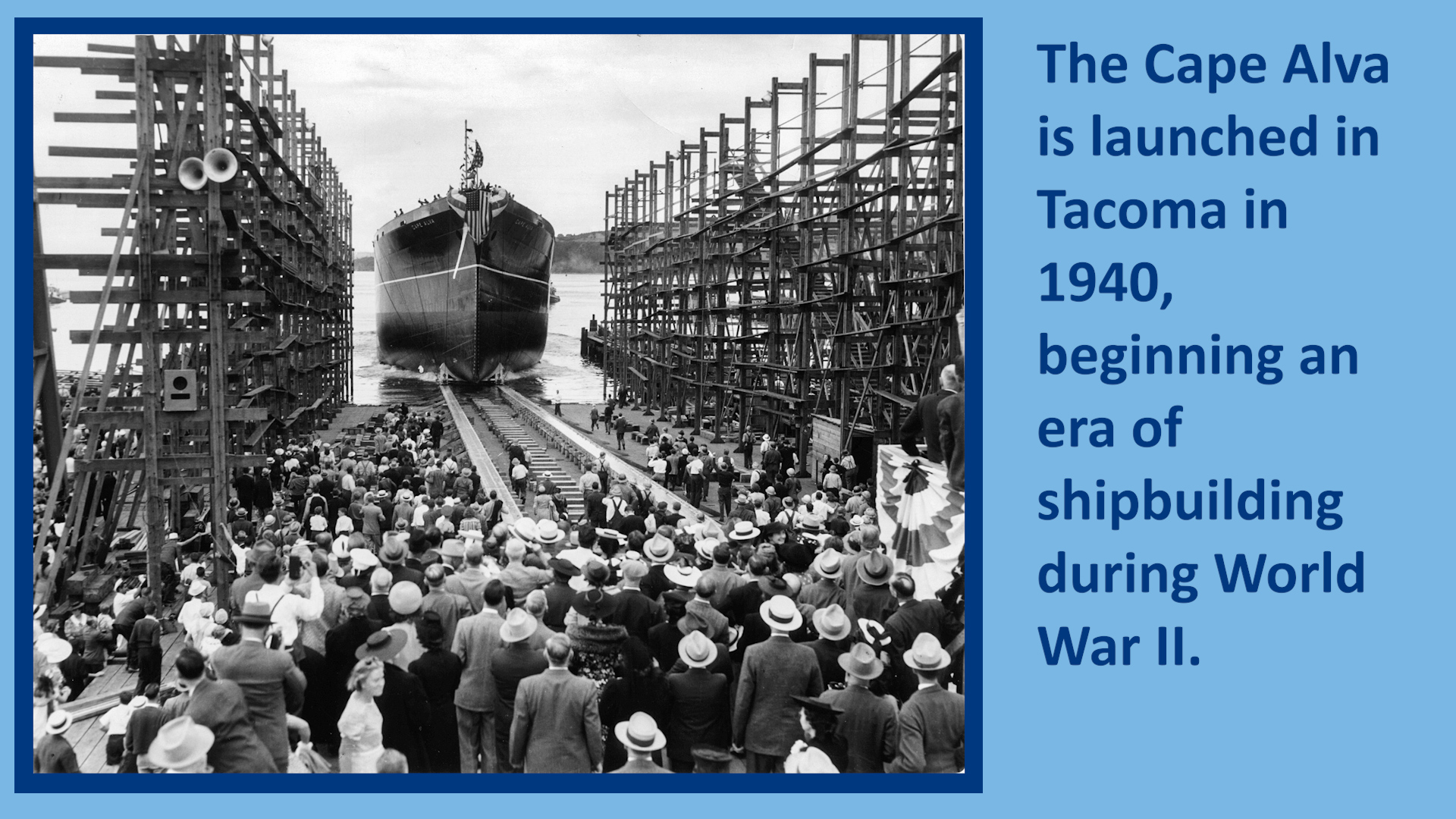
Ports have also played critical roles in national defense. During World Wars I and II, ports on the West Coast became essential hubs for military shipbuilding and troop movement. Tacoma contributed significantly to the war effort. Todd-Pacific Shipyards became a major center for wartime shipbuilding with more than 30,000 people working at the shipyards during peak production.
The evolution of global trade
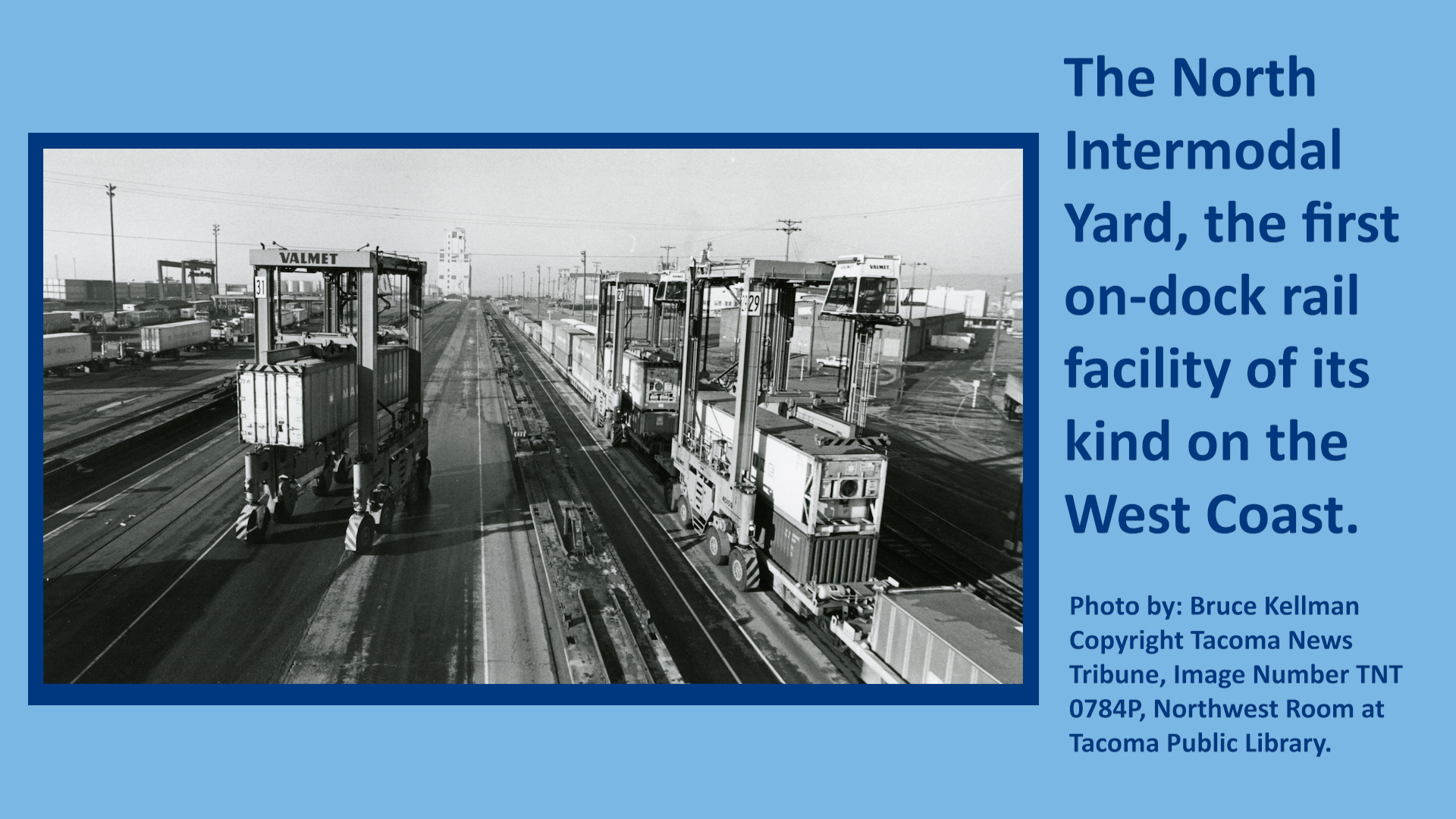
The arrival of containerized cargo transformed the shipping industry. In response, the Port of Tacoma invested in modern terminals, rail connections, cargo handling infrastructure, and a grain terminal.
In 2015, after decades of competing for cargo business, the Ports of Tacoma and Seattle joined forces to create The Northwest Seaport Alliance (NWSA), a marine cargo operating partnership to manage the container, breakbulk, autos, and some bulk terminals in both harbors. This unique partnership strengthened the Seattle-Tacoma gateway’s ability to remain competitive and better serve global markets.
The Port of Tacoma today
A century after its creation, the Port of Tacoma continues to serve as an economic engine for Pierce County and Washington state. A recent economic impact analysis found that the Port of Tacoma’s business lines, combined with the NWSA’s South Harbor cargo operations, support more than 41,000 jobs.
The Port’s impact extends beyond trade. It also continues to invest in environmental stewardship, including the cleanup and restoration of historically contaminated land it acquires with the goal of returning it to productive business use. To date, the Port has remediated more than 1,300 acres and is committed to reducing greenhouse gas emissions under its direct control to net zero by 2040, while also supporting efforts to decarbonize the maritime industry.
The Port is also helping prepare the next generation of maritime workers through partnerships such as Maritime|253, a first of its kind skills center to train high school students for careers in the maritime industry.
From Boston Harbor to Commencement Bay, America’s ports continue to drive the nation’s economy and support their communities. As the nation celebrates 250 years, the Port of Tacoma is proud to be part of that legacy.